25th May 2014

This was where it happened.

Red Campion (Silene dioica) amongst the blue bells. The cylindrical shape of the sepal indicates a male flower (the sepal of the female flower is oval or globular).

A common lichen yet to be identified - maybe Tree Lungwort (Lobaria pulmonaria).

Identified by Steve as Greater Birdsfoot Trefoil (Lotus pedunculatus).

Is this a red campion hybrid?

Identified by Steve as Greater Stitchwort (Stellaria holostea).
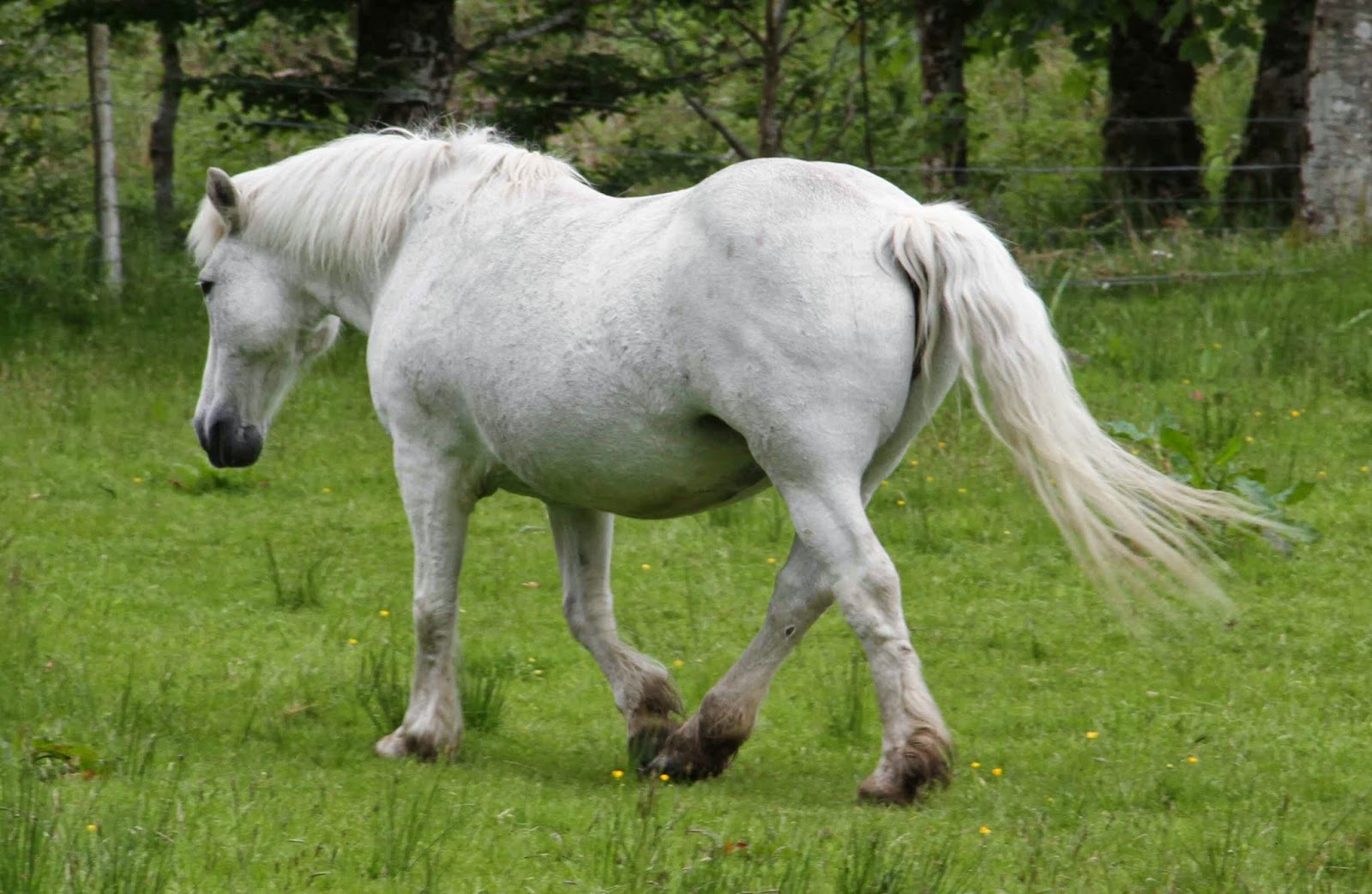
Horse (Equus ferus caballus)


Bluebells (Edymion non-scriptus)


Looking back at the valley.

According to Steve, this is a slime mould. This means that it reproduces via spores and at some stage in its life cycle may have the appearance of a gelatinous slime. It feeds on microorganisms in dead vegetation. The two main forms of slime mould are: (1) cellular slime moulds (single amoeboid cells which live independently until food runs out - they then aggregate into a mass of cells called a pseudoplasmodium which eventually sends out spores that form new amoeboid cells without any sexual process; (2) plasmodial slime moulds [a single giant cell comprising a plasmodium (thin, slimy, flat mass of protoplasm) containing thousands of nuclei - environmental stress causes the production and release of spores which develop into reproductive cells and a new plasmodium is formed when two such cells merge].

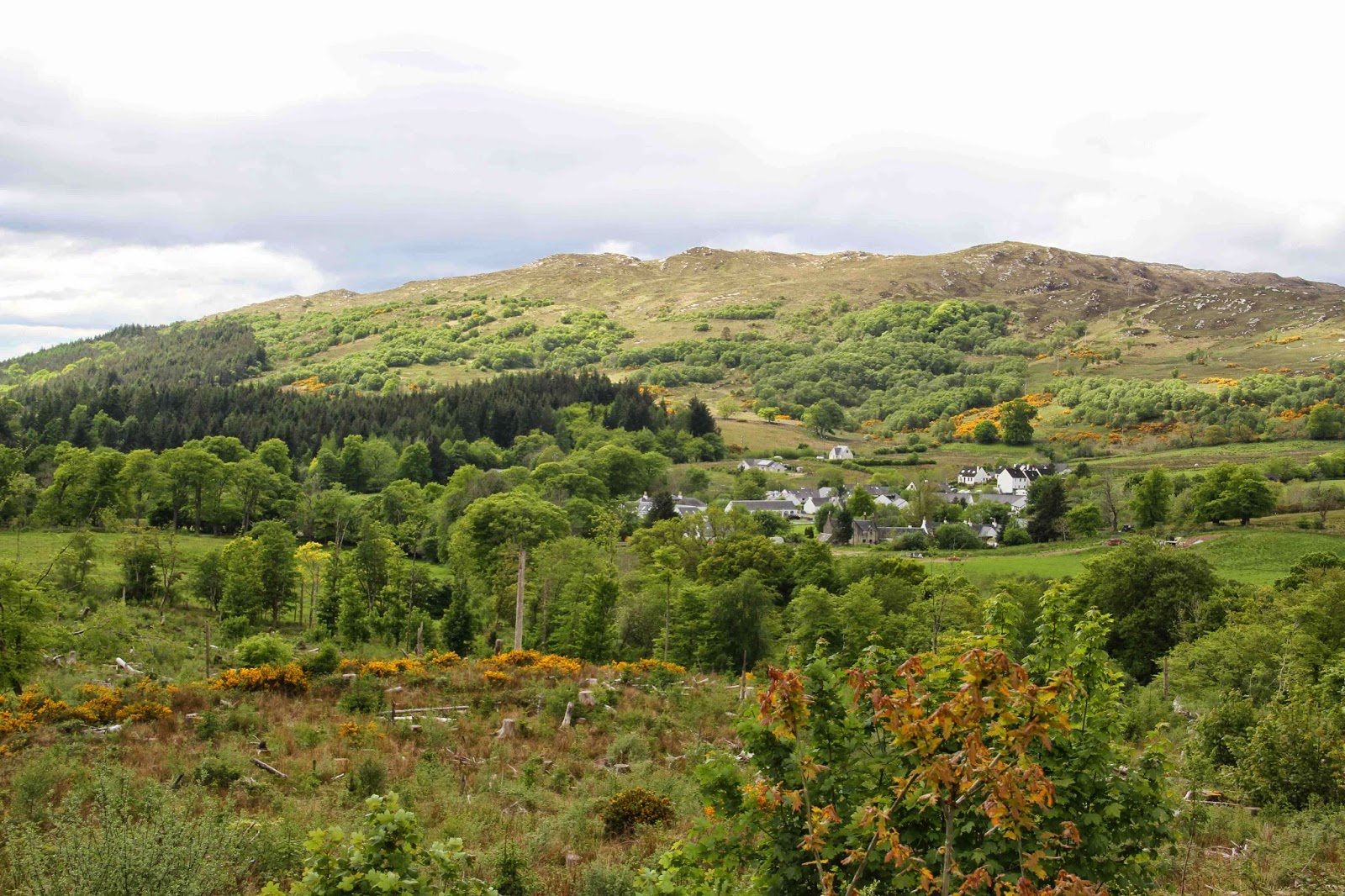
Balmacara Square

A UBM (unidentified boatman)

A Newt.


We came upon this wee chappy in the same puddle.


But the best images were from Steve.

He also got it identified on i-Spot.
A Net-Winged Beetle (Dicyoptera aurora). Notes by the i-Spot identifier: "The ridges on the pronotum and the pattern of pits on the elytra indicate this species, which is only known from Scotland in the UK, and is associated with Scots Pine".
Gill: "I feel a bit sad. I should have put him in a match box and kept him all the day". "Good to know what the little fella is. To you he may be a net wing but to me I will always think of him as Alexander!".
Steve: "There are only two previous recorded sightings of 'Alexander Beetle' in Western Scotland, and both date from the 1970s! If you are walking near a conifer plantation, keep your eyes peeled!".Unfortunately, Alexander was never seen again (bit of a weird hairstyle, so maybe for the best).

An insect gall. These are apparently produced from plant tissue by plant mites, aphids, plant lice, gall midges, or gall wasps.

A moss which looks a little like spaghettified magic mushrooms.


Orange Tip butterfly (Anthocharis cardomines)


The insectivorous Common Butterwort (Pinguicula vulgaris)

And its flower.

4. Is this Bugle (Ajuga reptans)?

Green-Veined White butterfly (Pieris napi)

Dried-out bracket fungus.

Wild Strawberry ( Fragaria vesca)

5. Cuckoo Flower (Cardamine pratensis)?


Looking south over Loch Alsh to Kyle Rhea, a rapidly flowing channel which separates the Scottish mainland on the left from the Isle of Skye on the right.

Holly flowers (Ilex aquifoluim).
Holly is a dioecious species, which means that both female and male flowers are required for reproduction. Each Holly tree produces either male or female flowers, but not both. This is a female flower as in its centre there is a green ovary; the male flower has four yellow stamens at its centre.
Holly is a dioecious species, which means that both female and male flowers are required for reproduction. Each Holly tree produces either male or female flowers, but not both. This is a female flower as in its centre there is a green ovary; the male flower has four yellow stamens at its centre.


